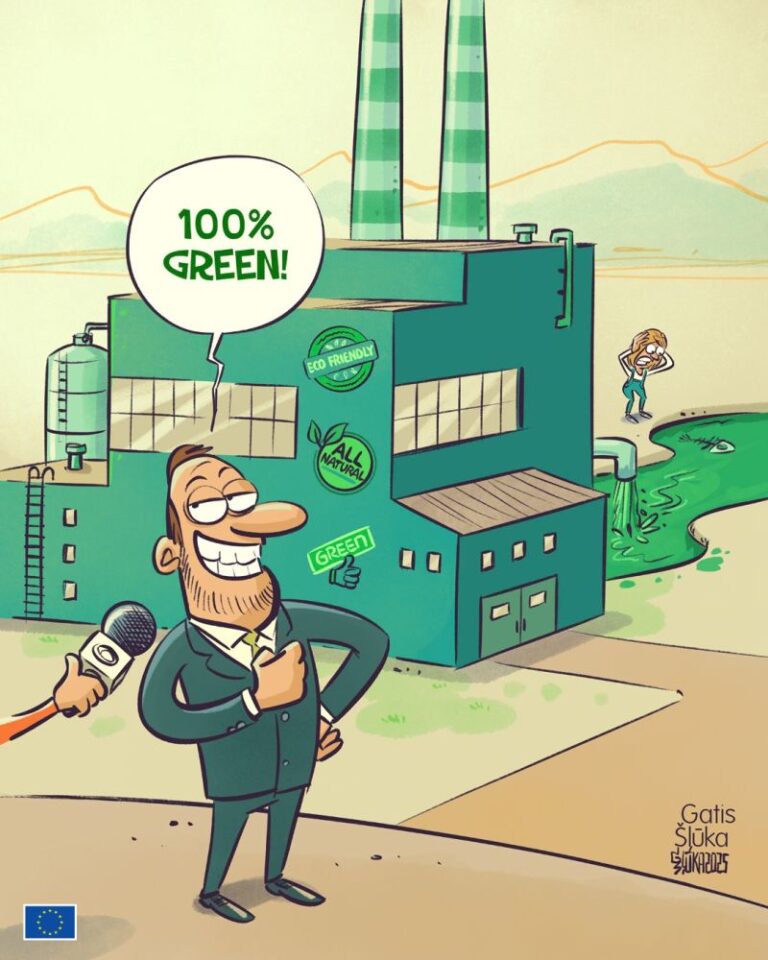
Entry into force of the European Directive against greenwashing: technical rigor and verifiable data to validate sustainability in building

The construction sector faces new requirements for its environmental claims following the application of the national provisions transposing Directive (EU) 2024/825 on empowering consumers for the green transition.

Key Fact Directive (EU) 2024/825 requires substantiating sustainability in building with clear data, Environmental Product Declarations (EPDs), and Life Cycle Assessments (LCAs).

The European Union takes a decisive step in regulating environmental communication and consumer protection. With the entry into force of the national provisions transposing Directive (EU) 2024/825 on empowering consumers for the green transition, the EU market debuts a much stricter regulatory framework against so-called greenwashing. This regulation requires that any claim regarding the sustainability of products and materials be clear, objective, verifiable, and backed by solid technical support.

Technical substantiation requirements versus generic claims The new legal landscape seeks to eliminate ambiguous or generic environmental messages that could mislead the user or technical prescriber. In the industrial and building sectors, the scope of this regulation directly impacts claims linked to key parameters such as decarbonization, recycled content percentage, recyclability, the circular economy, or the overall sustainability of construction products.

Directive (EU) 2024/825 requires that any message about environmental performance be clear, objective, and technically substantiated.

To technically support each commercial or technical assertion, companies must rely on rigorous assessment and certification tools. Among the fundamental instruments for justifying declared impacts are Environmental Product Declarations (EPDs), comprehensive Life Cycle Assessments (LCAs), and official certification systems, which must be applied in accordance with their methodological scope and framework standard.

Transparency and rigor in the building value chain The transition towards a decarbonized construction model requires that the communication of the performance of materials and building systems is firmly based on technical evidence, standardization, and transparency. The elimination of unverified claims seeks to protect the trust of end consumers as well as that of designers and contractors who select materials based on efficiency criteria.

Environmental Product Declarations (EPDs) and Life Cycle Assessments (LCAs) will be key tools for justifying the real performance of materials.

Likewise, this regulation strengthens the competitive ecosystem by ensuring that companies investing in innovation and genuine carbon footprint reduction compete on equal terms. By limiting misleading or unfounded claims, the market will value the real and measurable performance of products, demanding traceability and accountability throughout the entire value chain of the building sector.

A strict regulatory framework against greenwashing reinforces market confidence and promotes fair competition based on real data.

Suscríbete a nuestra Newsletter | Construnews

Últimos artículos

The reconfiguration of the global modular construction map: analysis of global leaders and the sector’s industrial transformation

Modular and off-site construction continues to consolidate as a cornerstone in the transformation of...

The European construction sector demands the EU prioritize community preference and stop unfair competition in the new Public Procurement Act

The major employers' associations of the building and infrastructure sector in Europe have united...

Synthetic maps of heavy traffic in Europe: lights and shadows for electrical infrastructure planning

The design of the future ultra-fast charging infrastructure network for heavy vehicles in Europe...

Neurodivergence, architecture, and construction: the challenge of designing for all brains

For decades, accessibility in architecture and construction has been mainly associated with the removal...

GlobalABC revolutionizes access to technical knowledge to accelerate construction decarbonization

The Global Alliance for Buildings and Construction (GlobalABC) has officially launched its new Knowledge...

EFCA places water resilience, data center sustainability, and infrastructure modernization at the center of the European agenda

The European Federation of Engineering Consultancy Associations (EFCA) has consolidated its role as a...

The ETA route: fast access to the European market for innovative construction products without starting from scratch

The ETA route and EADs streamline the process of obtaining the European Technical Assessment...

Artículos relacionados

The European construction sector demands the EU prioritize community preference and stop unfair competition in the new Public Procurement Act

The major employers' associations of the building and infrastructure sector in Europe have united...

Synthetic maps of heavy traffic in Europe: lights and shadows for electrical infrastructure planning

The design of the future ultra-fast charging infrastructure network for heavy vehicles in Europe...

GlobalABC revolutionizes access to technical knowledge to accelerate construction decarbonization

The Global Alliance for Buildings and Construction (GlobalABC) has officially launched its new Knowledge...

EFCA places water resilience, data center sustainability, and infrastructure modernization at the center of the European agenda

The European Federation of Engineering Consultancy Associations (EFCA) has consolidated its role as a...

The ETA route: fast access to the European market for innovative construction products without starting from scratch

The ETA route and EADs streamline the process of obtaining the European Technical Assessment...