
Cosentino has validated Cloen®‘s dual invisible induction technology for integration with Dekton®, its ultracompact surface. The solution joins those of Gaggenau, Novy and Invisacook, broadening the ecosystem of invisible cooking compatible with the material.
Almería, November 2026. Cosentino has announced the validation of Cloen’s dual invisible induction system for integration with Dekton® surfaces. With this approval, the company extends the ecosystem of invisible cooking solutions compatible with its ultracompact surface and adds a new option for designing kitchens in which technology is hidden beneath the worktop.
Three inductors beneath a 12 mm worktop
The approval covers the three-inductor model in a triangular layout, designed to be integrated into 12 mm Dekton® worktops in residential spaces, where visual continuity and the multifunctional use of the surface take centre stage.
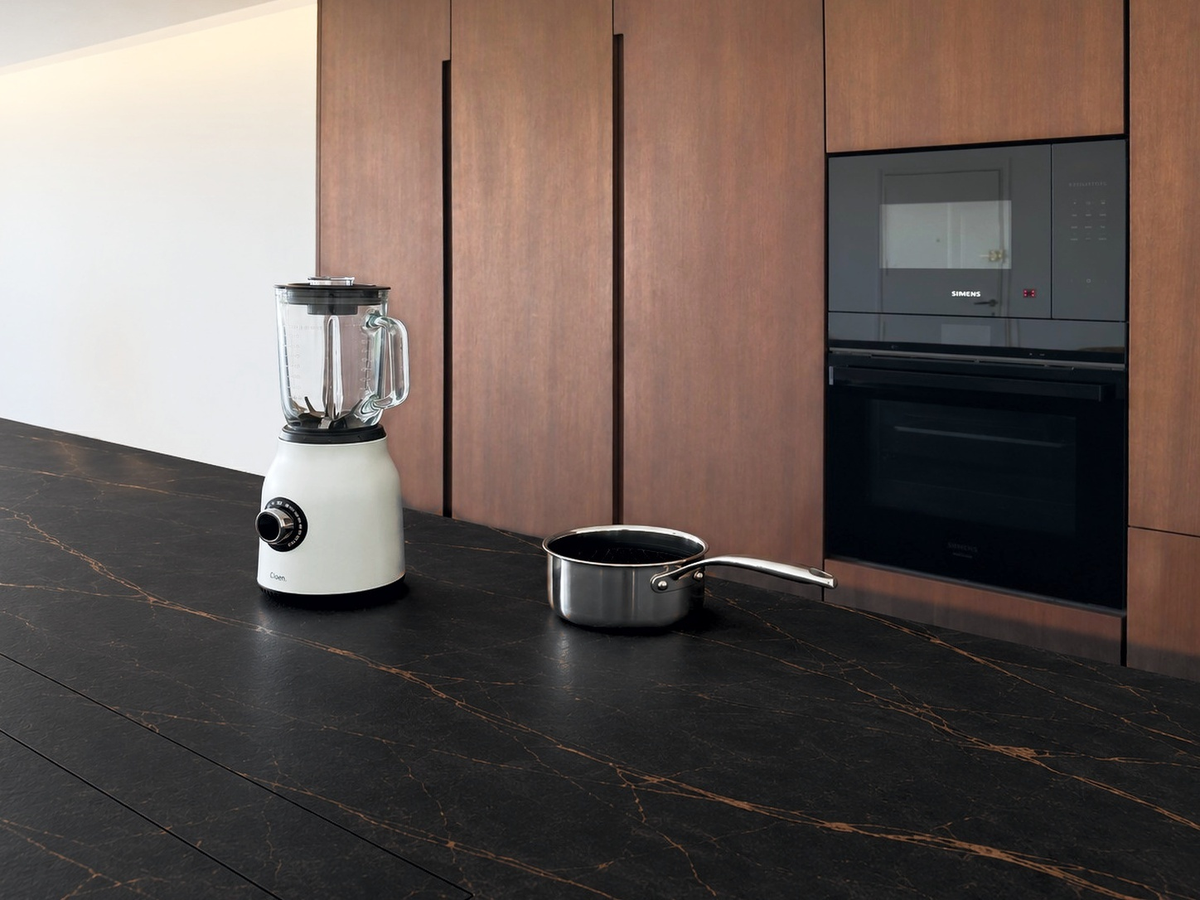
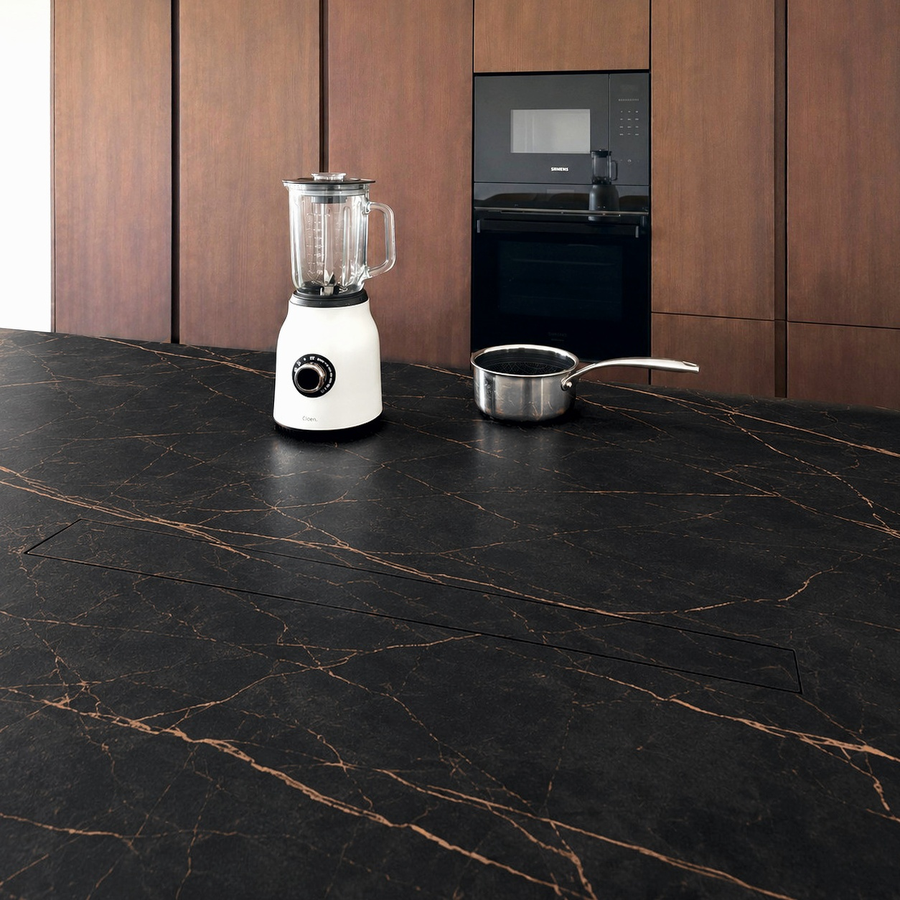
The distinguishing feature of the system is its dual technology. On the one hand, it works as an invisible induction hob for preparing food; on the other, it can wirelessly power or charge small compatible appliances from Cloen®’s own range, such as blenders and other devices designed specifically for the system.
Cloen’s dual technology cooks by induction beneath the worktop and, at the same time, wirelessly powers small compatible appliances from the brand
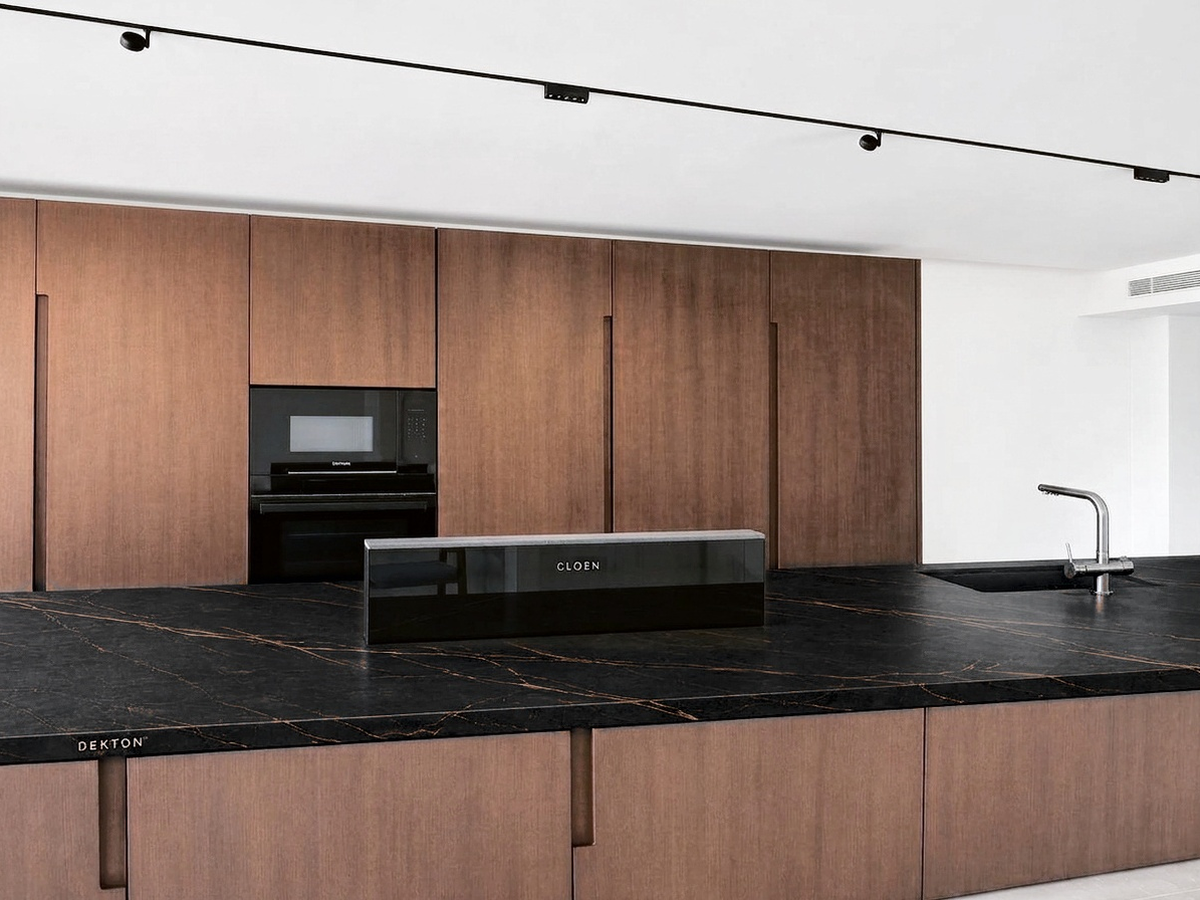
Unlike other cooking solutions, the system requires no through-holes in the worktop. The cooking zones are identified by a discreet surface marking showing the centre of each inductor, preserving the visual continuity and appearance of the Dekton® surface.
More options for integrated kitchen design
According to Cosentino, the validation of Cloen® responds to growing demand for cleaner, more versatile and visually integrated kitchens, where technology is concealed beneath the surface without compromising performance.
The system is compatible with every colour in the Dekton® portfolio except Halo and Dunna. It has also been validated for use with cookware, accessories and appliances developed by Cloen® that incorporate specific metal risers to ensure the technology works correctly.
The system is compatible with all Dekton colours except Halo and Dunna and is validated with Cloen cookware and accessories fitted with metal risers
The solution also keeps the worktop as a continuous, multifunctional surface, in line with trends that seek to bring cooking, work and socialising together in a single architectural space.
A growing ecosystem of invisible cooking
Cloen®’s validation adds to other invisible cooking solutions compatible with Dekton®, such as those developed by Gaggenau, Novy and Invisacook. Together they give architects, designers, kitchen manufacturers and end users more alternatives for designing worktops without visible hobs.
Cloen joins Gaggenau, Novy and Invisacook on the list of invisible cooking systems approved for Cosentino’s ultracompact surface
With this new approval, Cosentino continues to strengthen the Dekton® technology ecosystem, a surface the company has also been expanding with collections such as Dekton Nomak.
Cosentino, a global company based in Almería
Cosentino is a global, family-owned company of Mediterranean origin that designs and produces surfaces for architecture and design. From its headquarters in Almería, it markets brands such as Silestone®, Dekton®, Sensa by Cosentino® and ĒCLOS®.
The company has more than 100 R&D&I professionals, sells its products in more than 120 countries and operates 9 factories (8 in Spain and 1 in Brazil), a Smart Logistics Centre in Cantoria (Almería) and a network of more than 180 commercial and service facilities worldwide. More than 90% of its turnover comes from international markets.