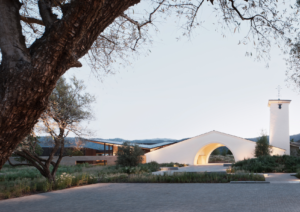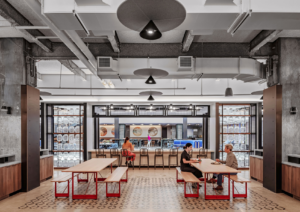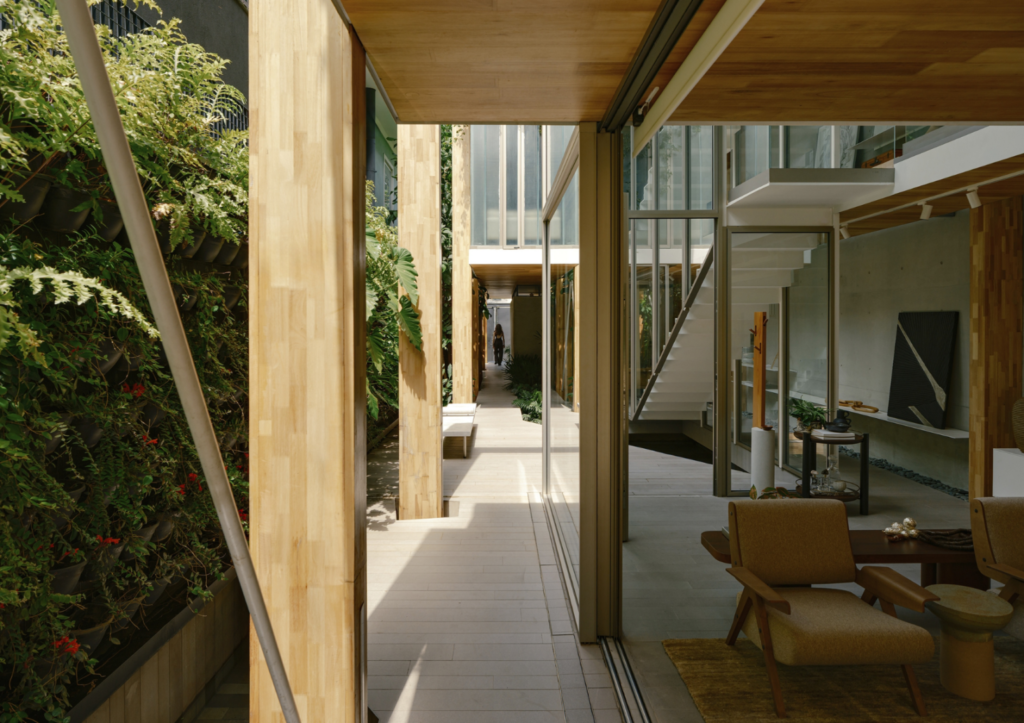


The Architecture MasterPrize 2026 sets a record with entries from 92 countries and will hold its global gala at the Guggenheim Museum Bilbao.
The international Architecture MasterPrize (AMP) competition has announced the winners of its 2026 edition, headed by the Theodore Roosevelt Presidential Library by the Snøhetta studio.
With record participation, with entries from 92 countries compared with 72 in 2025, the competition consolidates its position as one of the most far-reaching global benchmarks in architectural design, landscape architecture, interior design and architectural photography.
A global verdict that puts sustainability and integration at the centre of the debate
The eleventh edition of the Architecture MasterPrize (AMP) has assessed thousands of projects, firms and product innovations across almost fifty categories. An international jury made up of practising architects, designers, critics and academics evaluated the entries against rigorous criteria of design excellence, originality, functionality and sustainability. The proposals with the highest score in each category received the Best of Best distinction, the group from which the jury selects the top annual awards.
This year’s top awards have gone to a presidential library that dissolves into the landscape, a timber office for a wind energy company and a park that cleans Bangkok’s waters. — David Teravagimov, managing director of the AMP.
The competition’s highest award, the Architectural Design of the Year, has been given to Snøhetta for the Theodore Roosevelt Presidential Library, located in Medora (North Dakota, USA). Set on the edge of a bluff in the Badlands, the building slopes down to meet the ground beneath a planted, walkable roof that opens towards Theodore Roosevelt National Park. The proposal stands out for its total integration, conceived jointly by architects, landscape architects and ecologists, treating the building and the site as a single piece.
Highlighted projects and main categories of the 2026 edition
In the interior architecture category, the Interior Design of the Year award has gone to the Canadian studio Atelier Carle (Alain Carle) for its work on OAKV (Oakville), where it transforms a dark medical office unit into a serene space through a skylight, a double-height nave and an extensive use of walnut wood.
Meanwhile, the Landscape Design of the Year has recognised the conversion of a former tobacco factory in central Bangkok (Thailand) into Benjakitti Forest Park, a project by Arsomsilp Community and Environmental Architect together with Turenscape. The intervention creates an ecological park with wetlands to store monsoon water, a new urban forest and elevated walkways open to the public.
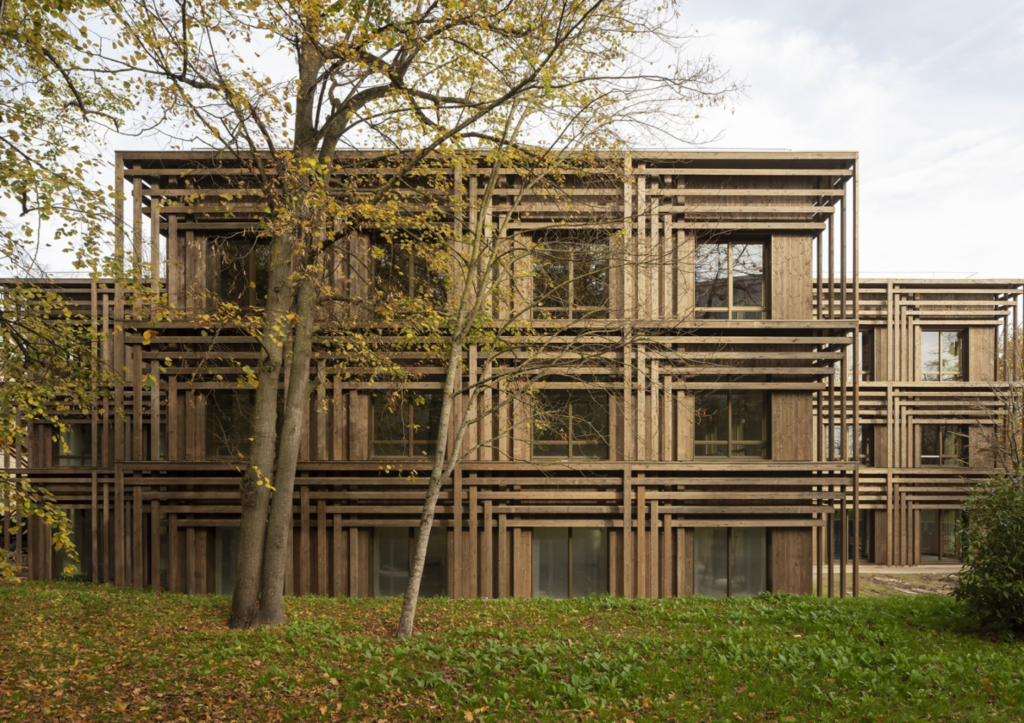
Likewise, the Sustainable Design of the Year award has gone to the extension of the Windkraft Simonsfeld AG headquarters in Austria, designed by Juri Troy ZT GmbH. It is a timber structure with a central core of rammed earth, conceived for a wind energy company.
In the awards for track record and firm structure, the Architectural Firm of the Year prize has been awarded to the US firm KPF (Kohn Pedersen Fox). Chinese firm PMT Partners has won the Interior Design Design Firm of the Year, while US firm PLACE has taken the Landscape and Urban Design Firm of the Year.
They are very different buildings, but they share one element: each one gives something back to the place where it stands. — David Teravagimov.
Best of Best distinctions and the presence of international firms
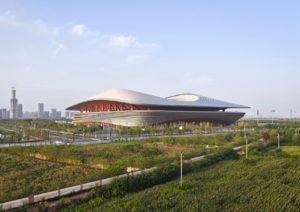
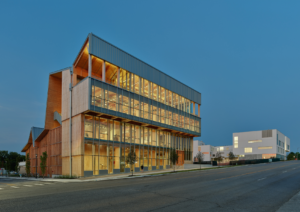
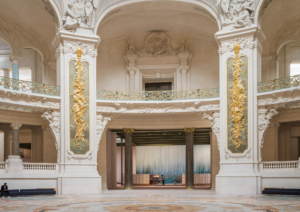
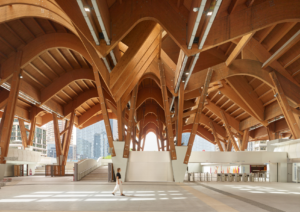
The projects that received the Best of Best distinction include works of major infrastructural and cultural impact internationally. Highlights include the restoration of the New Grand Palais in Paris by Chatillon Architectes (France); the Anthony Timberlands Center at the University of Arkansas by modus studio with Grafton Architects; Techo International Airport in Phnom Penh by Foster + Partners; and the Xi’an International Football Centre by Zaha Hadid Architects.
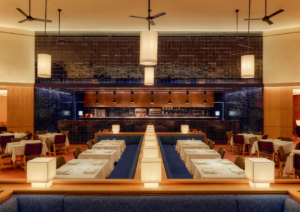
Spanish and Ibero-American architecture holds a prominent position on the roll of honour. The Miralles Tagliabue EMBT studio has received the Best of Best recognition for the Centro Direzionale metro station in Naples and the Parco del Mare project in Rimini (Italy). The firm Frida Escobedo Studio (Mexico) has also been distinguished for Cantina Contramar in Las Vegas, while the La Querola d’Ordino complex in Andorra bears the signature of Ateliers Jean Nouvel together with Ribas & Ribas Arquitectos and Jordi Sala.
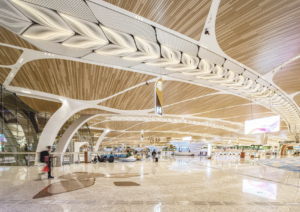
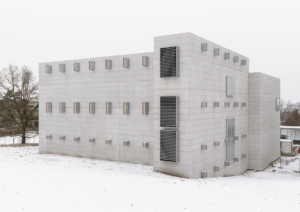
The list of category winners also includes projects by offices such as Aedas (Terminal 2 at Hong Kong International Airport and Changsha Jinmao Tower), Ennead Architects (ByteDance Houhai Center), ACPV Architects Antonio Citterio Patricia Viel (No. 8 Castle Road), Pickard Chilton (Tokyo Midtown Yaesu), PES-Architects (Nanchang Grand Theatre) and Penzel Valier (ETH Zurich Data Centre).
The fact that entries now come from more than eighty countries shows us that the programme has become a genuine point of reference for studios of all sizes.
Architectural photography and the awards gala in Bilbao
The competition has also announced the Architectural Photography Awards. Photographer Derry Ainsworth has been named Exterior Architectural Photographer of the Year for his series Hong Kong Modern Mosaics, a body of work using tight framing on urban façades. The Interior Architectural Photographer of the Year award has gone to Tzu Chin Yu (TCY Studio, Taiwan) for his photographic study of the Kanazawa Umimirai Library, designed by Coelacanth K&H Architects.
Other notable photography distinctions went to Kelvin Yuen (Hong Kong’s Tsing Ma Bridge), SARAB (One Zaabeel in Dubai), Victor Romero (The Shape of Modern China), shum.stills (I. M. Pei’s Suzhou Museum), Alex Fradkin (Fogo Island Inn) and Ingo Rasp (documentation of the Stuttgart 21 rail project).
The awards ceremony for the winners of the 2025 and 2026 editions will take place on Tuesday 24 November 2026 at the Guggenheim Museum Bilbao. The event will be held in collaboration with the Solomon R. Guggenheim Foundation to pay tribute to excellence in global design on the banks of the Nervión estuary.