
 explains why architects and engineers should train in management, finance and strategy to lead the building sector)
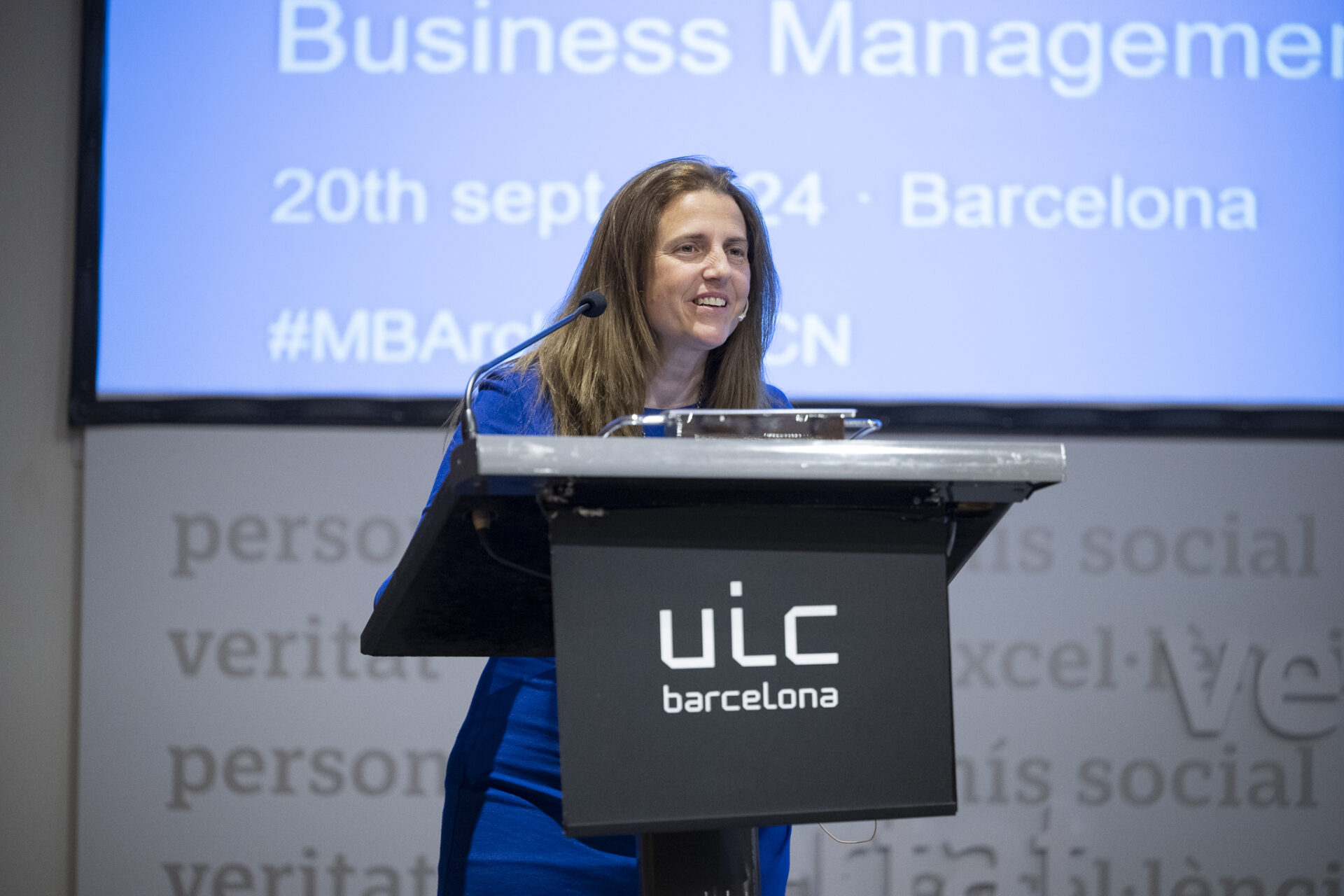
Architecture schools produce professionals with a strong ability to design, but the Real Estate market increasingly demands business acumen: clients, finance, strategy and organisations. Maria Isabel Gabarró, PhD architect, founder and director of the Master’s Degree in Architecture & Design Business Management at the School of Architecture of UIC Barcelona, tells Construnews which gaps she sees in technical professionals, which tools she considers essential to ensure the viability of the architecture and construction sector, and why industrialisation forces companies in the sector to transform their business model.
What do you consider the most critical training gaps with which technical professionals (architects and engineers) reach the Real Estate market today?
We keep training excellent technicians, but not always professionals prepared to manage and lead the corporations of the 21st century. Architecture schools place great emphasis on individual success and the ability to design, but without a clear business vision: understanding clients, finance, strategy or organisations, among many other concepts, is essential for optimal professional practice.
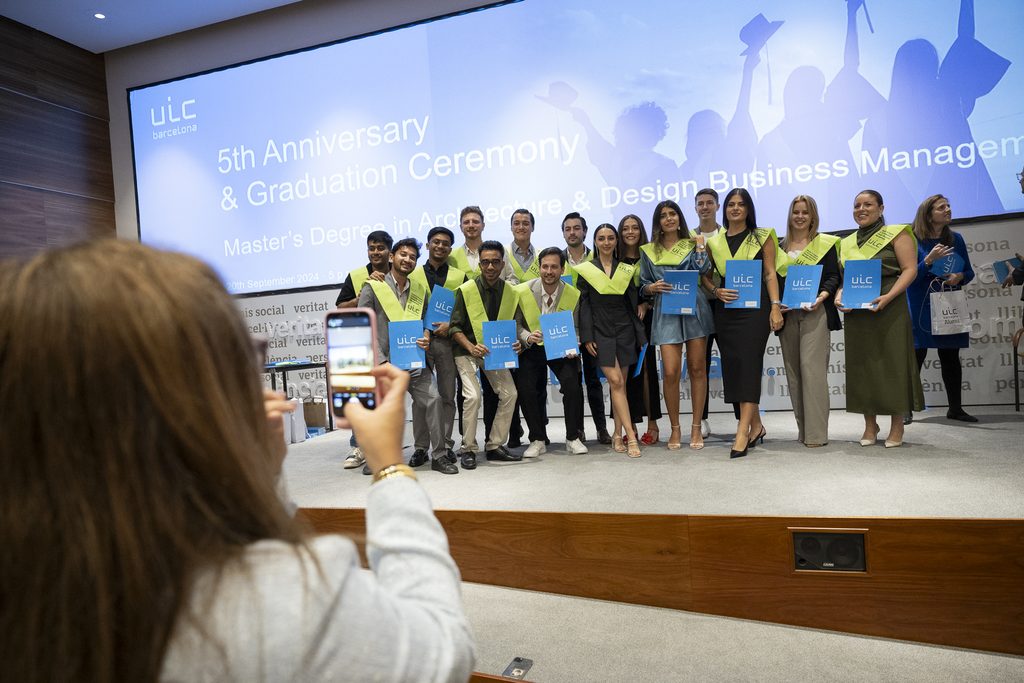
That is why I created the Master’s Degree in Architecture & Design Business Management at the School of Architecture of UIC Barcelona. Its main goal is to offer a global view of the sector and to introduce the figure of the architecture manager: a professional able to design strategically without lines and to understand how their work adds value to the project as a whole and to the organisation they work for.
Architecture schools place great emphasis on individual success and the ability to design, but without a clear business vision
Architecture and business management have traditionally been seen as separate disciplines. How does a project’s profitability change when an architect masters financial viability and asset management from the design stage?
When architecture and business work together, the way decisions are made changes. Design optimises the investment, partnerships optimise production and construction costs, and design strategies optimise the asset’s future value. It is about designing with a global vision, understanding the impact of each decision throughout the building’s life cycle and its impact on society over the next 150 years.
Volatile material costs and decarbonisation requirements are straining developers’ budgets. Which management and innovation tools in Construction Management are essential today to ensure a project’s viability?
The first tool is strategic planning: anticipating, coordinating and making decisions before problems reach the site. To this we must add cost and schedule control, risk management, BIM and environmental impact assessment.
But there is something fundamental: no tool works if teams operate in isolation. We need interconnected structures, biomechanical systems within organisations for operational and strategic compartmentalisation.
No tool works if teams operate in isolation
At Construnews we closely follow the progress of industrialised construction in Spain. From a business and strategic management perspective, is industrialisation the definitive answer to the labour and schedule crisis, or does it still require deep financial restructuring of companies in the sector?
Industrialisation, pre-industrialisation and modular construction are our reality and, at the same time, a great opportunity, but we cannot understand them solely as a new construction technology. They involve transforming the business model, the organisation of companies, investment and the relationship between the different stakeholders.
Moving the site into a factory is not enough. The process has to be rethought, from design, manufacturing and assembly through to financing, jointly by architecture, engineering, contractors and the industrial world. The real change is moving from managing isolated phases to managing a complex ecosystem.
ESG criteria and energy efficiency are no longer optional but investment imperatives. How do you teach the sector’s future leaders to translate sustainability into real, measurable real estate value for investors?
Sustainability cannot be an add-on to the project or a marketing label. It must be part of strategic decisions from the outset.
We need to measure energy consumption, emissions, maintenance, durability and operating costs, linking them to the asset’s viability and future value. The decisions we take today in architecture and urban planning will shape our societies for generations. That is why sustainability and corporate responsibility must not only go hand in hand: they are inseparable.
The reasons why we are flooded with sustainability and energy efficiency certificates must be sought outside architecture and construction, and rather in the financial sector.
The reasons why we are flooded with sustainability certificates must be sought outside architecture and construction, and rather in the financial sector
The UIC Barcelona programme focuses on design management and the real estate business in an integrated way. Which transversal skills, beyond technical ones, do international development and construction markets demand from today’s graduates?
In addition to technical knowledge, we need professionals with strategic vision, leadership, negotiation skills, communication and entrepreneurial spirit. People able to share knowledge, build partnerships and work in multidisciplinary teams.
This is precisely the philosophy of the master’s: understanding architecture and design as part of a broader business organism, in which creativity, management and innovation must work together to generate the value we need to deliver to society.
Artificial intelligence and data analysis (Big Data) are transforming decision-making in land acquisition and real estate development. How does the master’s address the integration of these digital technologies to anticipate market demand and mitigate financial risks?
Artificial intelligence and data analysis open up new possibilities for studying markets, detecting needs and assessing investment scenarios. But technology alone does not generate knowledge or guarantee good decisions.
What matters is knowing what to ask, interpreting the information and turning it into strategy. Digital transformation should help us understand the business better and anticipate change, not replace professional judgement.
This critical and innovative outlook is essential to prepare the professionals of the future. It is precisely the vision we bring through the Master’s Degree in Architecture & Design Business Management at the School of Architecture of UIC Barcelona, so that our students develop a distinctive profile and become professionals capable of bringing unique value to the sector.
Gabarró is committed to empowering technical profiles, such as architects and designers, with business management knowledge to complete a highly valuable profile with strategic vision, so that they can professionally hold not only executive but also leadership positions within the corporations of our sector.