
 on contractors' global challenges: affordable housing, procurement, water, energy, skills shortages and sector data.)
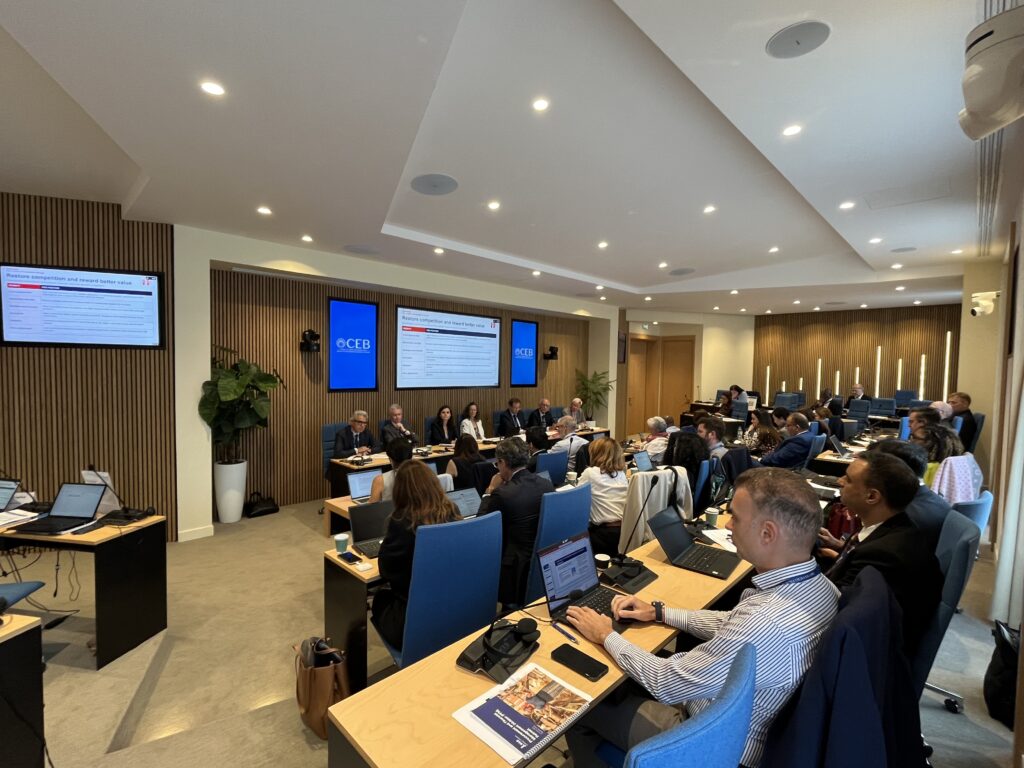
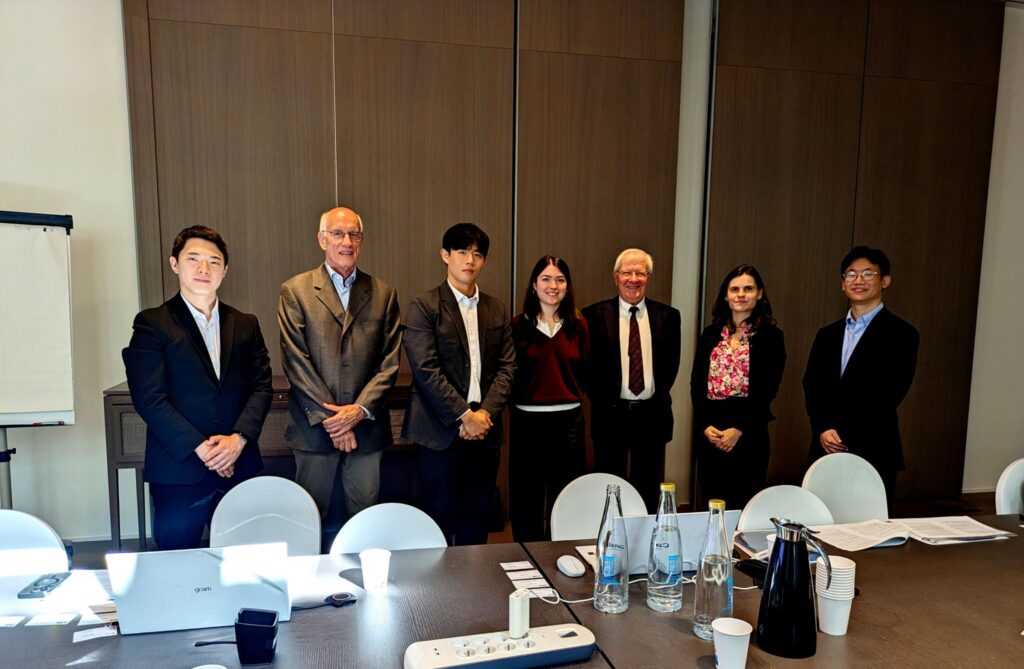
On the sidelines of the first World Infrastructure Forum (WIF), held in Madrid, and ahead of the organisation’s conference in Paris, Fanny Dastugue, of the Confederation of International Contractors’ Associations (CICA), tells Construnews how contractors around the world are tackling the challenges of sustainability, resilience, digitalisation and modernisation, what the confederation’s current lines of work are, and what role sector data can play in an increasingly international industry.
What do you think of the WIF, and what are your impressions of this first infrastructure congress being held?
The World Infrastructure Forum is a very promising initiative, and my first impressions are extremely positive. I particularly appreciate its forward-looking approach, its willingness to embrace change, and the strong role given to academia, with universities and leading institutions driving excellence and innovation. Madrid is also an excellent choice.
With your congress in Paris next week, how are construction companies approaching, on a global level, the major challenges of sustainability, resilience, growth and, in particular, digitalisation and modernisation?
Construction companies around the world have tremendous innovation capabilities and are constantly developing new solutions to address the challenges of sustainability, resilience, digitalisation and modernisation.
The key challenge is to meet growing needs across all regions for affordable and resilient housing and infrastructure, while also ensuring the maintenance and modernisation of existing assets. This requires the right business environment, with appropriate procurement frameworks, balanced contractual conditions and stronger collaboration between owners, contractors, technology providers and the wider project ecosystem at every stage.
Another major challenge is the sustainable management of increasingly scarce water and energy resources, particularly in light of the growing demand driven by data centres and AI infrastructure. The objectives of our Paris Conference, “Building What Matters”, are to bring all stakeholders together and mainstream the identified best practices needed to turn ambitions into reality.
Another major challenge is the sustainable management of increasingly scarce water and energy resources
What lines of work are you currently developing?
We remain focused on three key areas of work: promoting balanced and fair contractual conditions, improving procurement practices, and supporting the decarbonisation of the construction industry. We also act as a key counterpart for Early Market Engagement initiatives led by governments and Multilateral Development Banks, while building a strong international platform to support, represent and promote contractors worldwide. We are working on a Contractors’ mission to the Asian Development Bank in Manila (Q1 2027) and to the World Bank and Inter-American Development Bank in Washington DC (Q2 2027).
What impact is the atlas you’ve created having on the sector?
The impact of the ConTech and PropTech Atlas is still unfolding, as this is an ongoing initiative. However, we are already sensing a great deal of enthusiasm and interest from across the sector. It clearly demonstrates that we have a vibrant and growing ConTech ecosystem, with an impressive diversity of innovative solutions. These range from digital applications designed to improve construction site management, health and safety, to more unexpected innovations, such as using sheep’s wool to manufacture insulation panels. This diversity highlights the creativity of our ecosystem and the many opportunities for innovation in our industry. Our ambition is to give these solutions greater visibility, foster connections between stakeholders and accelerate the adoption of innovation across the construction sector.
We have a vibrant and growing ConTech ecosystem, with an impressive diversity of innovative solutions
How do you see workforce flows and the generational problem in the face of the labour shortage, especially as more and more specialisation and technical training are required?
Skills shortages are a common challenge across all countries. National construction chambers play a key role in raising awareness of career opportunities, working closely with companies and educational institutions to identify skills needs and build appropriate training programs.
We also strongly believe in on-the-job training and hands-on experience on construction sites. Finally, we need to better promote the international dimension of our industry. Construction offers exciting opportunities to work across borders, experience different cultures and contribute to major projects worldwide. Highlighting this international outlook can be a powerful way to attract younger generations and make our industry more appealing.
How do you see the immediate outlook, given the economic impact and the volatility of the current international situation (Iran, Ukraine, etc.)?
The short-term outlook is undoubtedly challenging. Geopolitical tensions, conflicts such as those in Ukraine and the Middle East, economic uncertainty and volatility in energy and commodity prices all have an impact on investment decisions and construction costs.
However, the industry has also developed mechanisms to cope with this volatility, including price indexation and price adjustment clauses in construction contracts. These mechanisms help to better share risks and mitigate the impact of sudden cost fluctuations.
One encouraging sign, despite growing fragmentation and geopolitical tensions, is the willingness of construction associations and chambers from all over the world to maintain dialogue, exchange views and strengthen technical cooperation. This gives us reason for optimism.
The industry has also developed mechanisms to cope with this volatility, including price indexation and price adjustment clauses in construction contracts
What is your view on the importance of launching a data-journalism-based media outlet in an English edition specifically for the sector, as is the case with Construnews?
It is essential for our industry to have specialised online media and reliable, sector-specific data that can serve as a common reference. Having an English-language edition is particularly valuable, as it makes information accessible to a much wider international audience and helps connect construction professionals, across different regions. Congratulations to the Construnews team for this initiative!
At CICA, we are also working towards collecting and consolidating data on construction industry turnover worldwide. I believe there could be interesting opportunities for collaboration on this.
Dastugue identifies the main challenge as demand for affordable, resilient housing and infrastructure, alongside asset maintenance and water and energy management as data centres grow. CICA’s agenda centres on balanced contracts, procurement and decarbonisation, with missions to multilateral banks planned for Q1 and Q2 2027.